Biography
Susana Velasco-Lozano obtained her PhD in Biotechnology from the Universidad Autónoma Metropolitana (UAM), Mexico, in 2014, in the research group of Prof. Ernesto Favela-Torres. Her doctoral research focused on developing new cross-linking strategies for carrier-free immobilization of lipases and modulating their enantioselectivity. She subsequently moved to Spain, where she held three postdoctoral positions. As a Marie Skłodowska-Curie fellow at CIC biomaGUNE (2015–2017), she worked with Prof. Fernando López-Gallego on enzyme–piezoelectric material systems for energy generation. She then joined Prof. José Antonio Mayoral’s group at the Universidad de Zaragoza with a CONACyT fellowship (2017–2019), developing enzymatic routes for glycerol valorization. After returning to CIC biomaGUNE (2020–2022), she investigated the spatial organization of immobilized multienzyme systems.
In 2022, following the award of an ERC Starting Grant, she returned to the Universidad de Zaragoza and joined the ISQCH (CSIC–Universidad de Zaragoza). She is affiliated with the CHESO group, led by Prof. José Antonio Mayoral, while leading an independent research line in biocatalysis. She was subsequently selected for both Ramón y Cajal and ARAID Senior Researcher positions, choosing the latter. Since January 2026, she has held a tenured CSIC Scientist position at the ISQCH.
Research
Her research combines biocatalysis, enzyme immobilization, and functional biomaterials to develop controllable enzyme-based systems. By integrating enzymes, cofactors, and tailored materials, she aims to enhance catalytic performance and create robust, self-sufficient, and reusable biocatalytic platforms.
Her main research lines include:
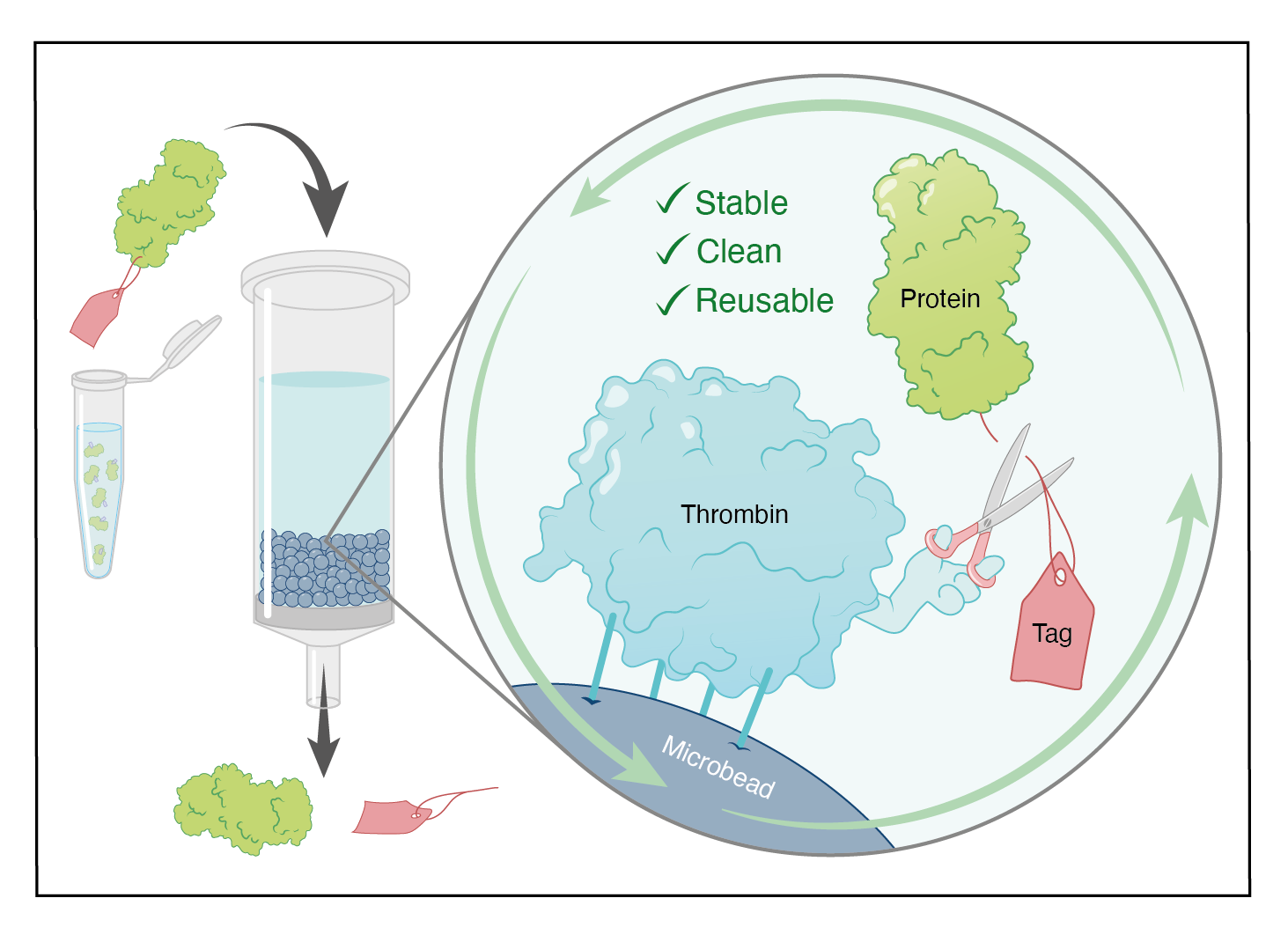
- Immobilization and co-immobilization of enzymes and cofactors using heterofunctional supports, CLEAs, and other heterogenization strategies.
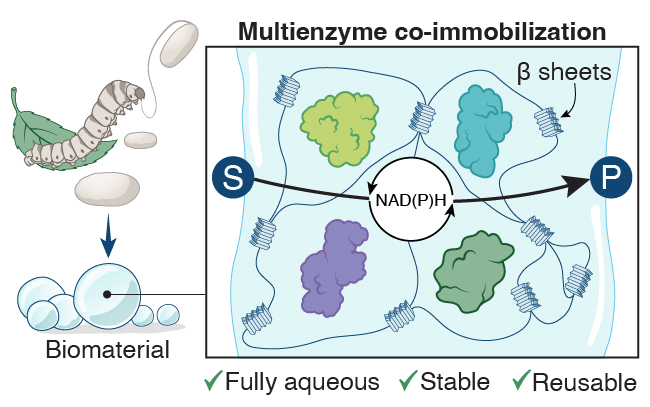
- Design and fabrication of functional biomaterials and protein-based scaffolds to control the stabilization, spatial organization, and activation of enzymes and multienzyme systems.
- Development of cell-free multienzyme cascades incorporating internal cofactor regeneration.
- Implementation of immobilized biocatalysts in batch processes and continuous-flow reactors.
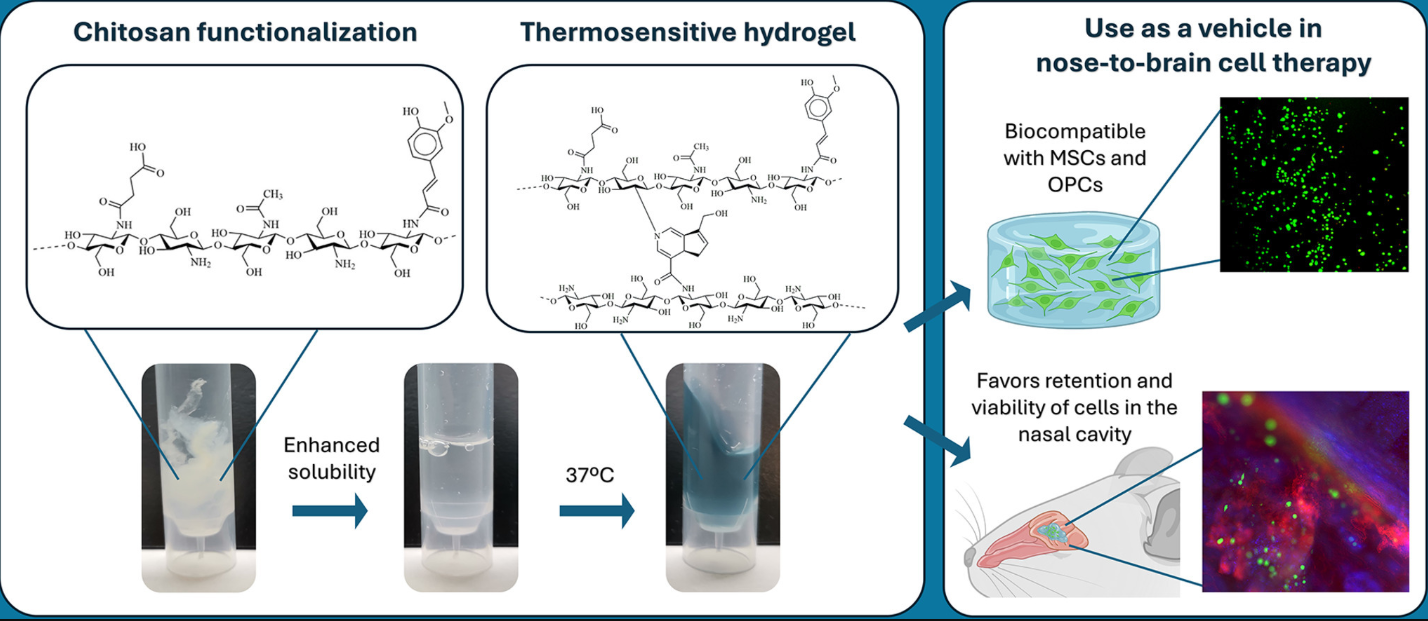
- Development of remotely activated enzyme-based systems for in vitro and in vivo applications.
- Use of biocatalytic systems for the sustainable synthesis of value-added compounds and for applications in biomedicine and bioremediation.
https://orcid.org/0000-0001-9478-6750